
Teaching at NYU Tisch: New Technologies in Filmmaking
Personal introduction in course session one.
What This Is
A graduate-level course at NYU Tisch School of the Arts on new technologies in filmmaking; covering immersive media, stereoscopic and volumetric capture, virtual production, real-time workflows, and AI in cinema.
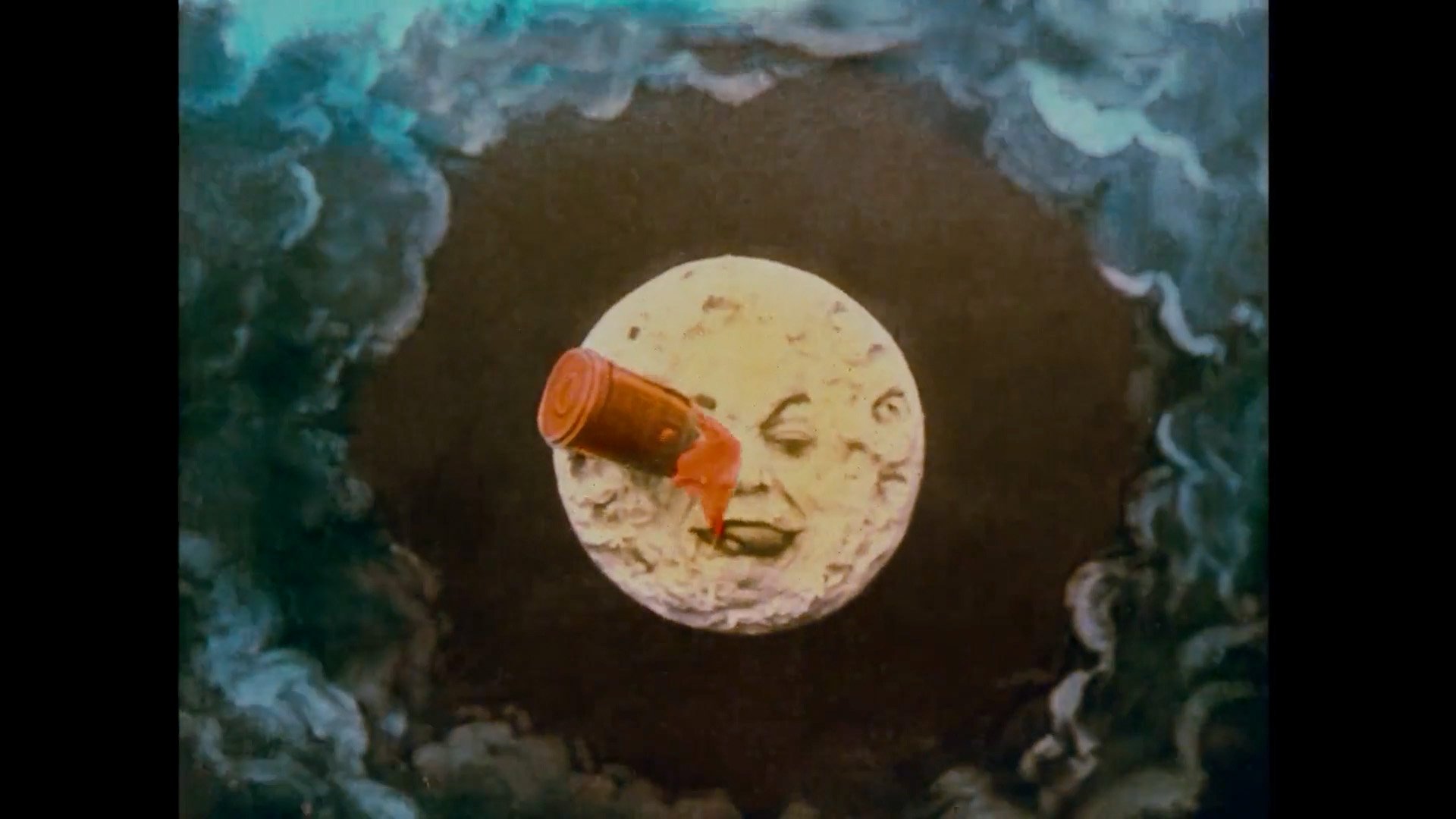
Grounded in over a century of filmmaking innovation, the course explores how each technological shift changes the way stories are framed and experienced.
Topics Covered
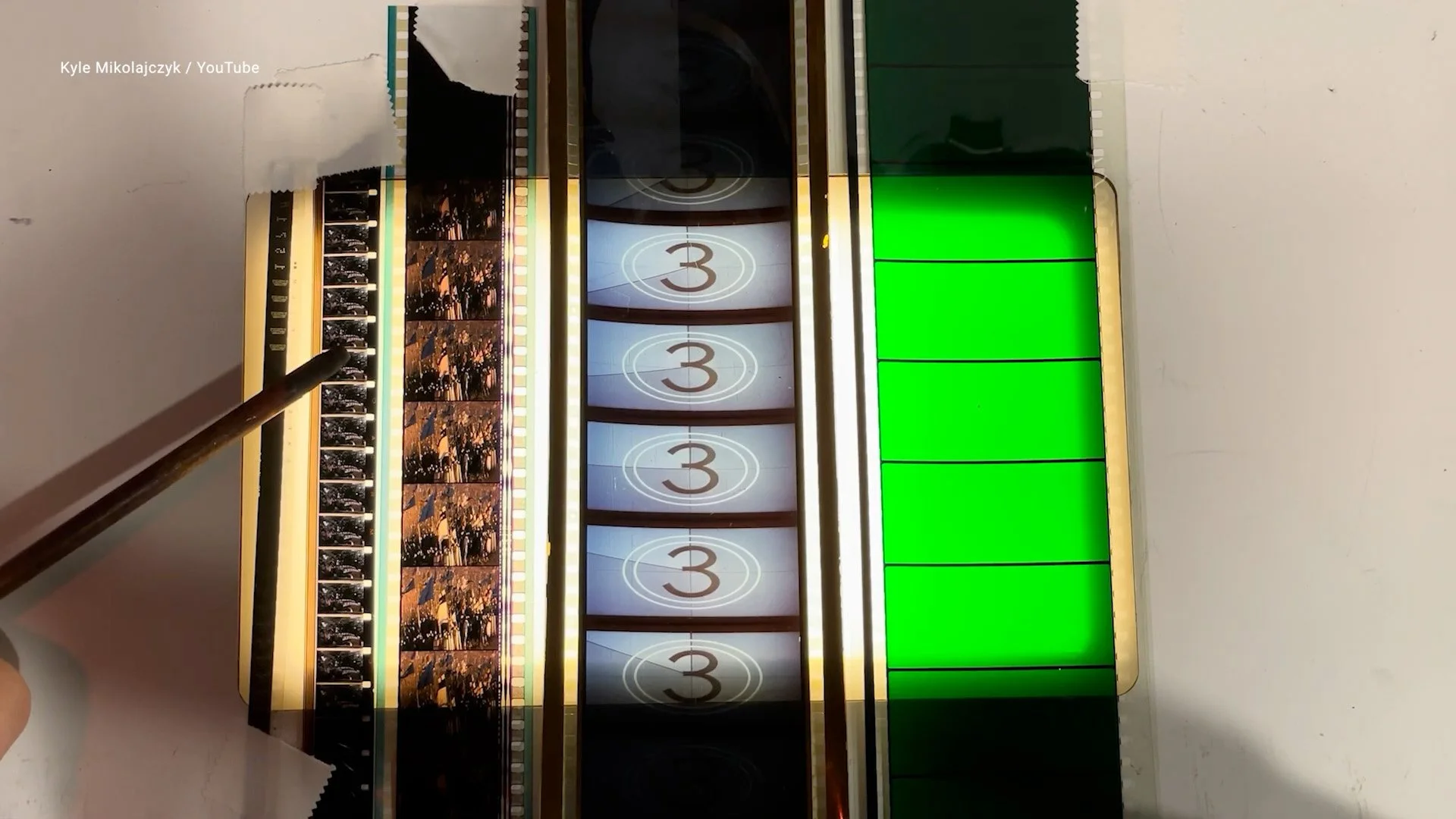
The evolution of filmmaking technology over 125+ years
Virtual production and real-time workflows
AI for previsualization and post-production
Emerging capture techniques, including stereoscopic and volumetric imaging
Spatial and immersive storytelling as extensions of cinematic form
Modern production pipelines and collaboration tools
Distribution across screens, headsets, and other experiential formats
Each topic is grounded in a central question:
How does this change the way filmmakers actually work today?
Framing Reality
The language of cinema has always been shaped by technology.
From early cameras to digital editing, from synchronized sound to real-time rendering, each shift has expanded what filmmakers can do and changed how audiences experience a story.
In this course, new technologies are treated as part of that continuum.
Students explore questions like:
What does this tool make possible?
What does it constrain?
How does it change the relationship between filmmaker, subject, and audience?
Because every technological shift is also a shift in how we frame reality.
Core Philosophy
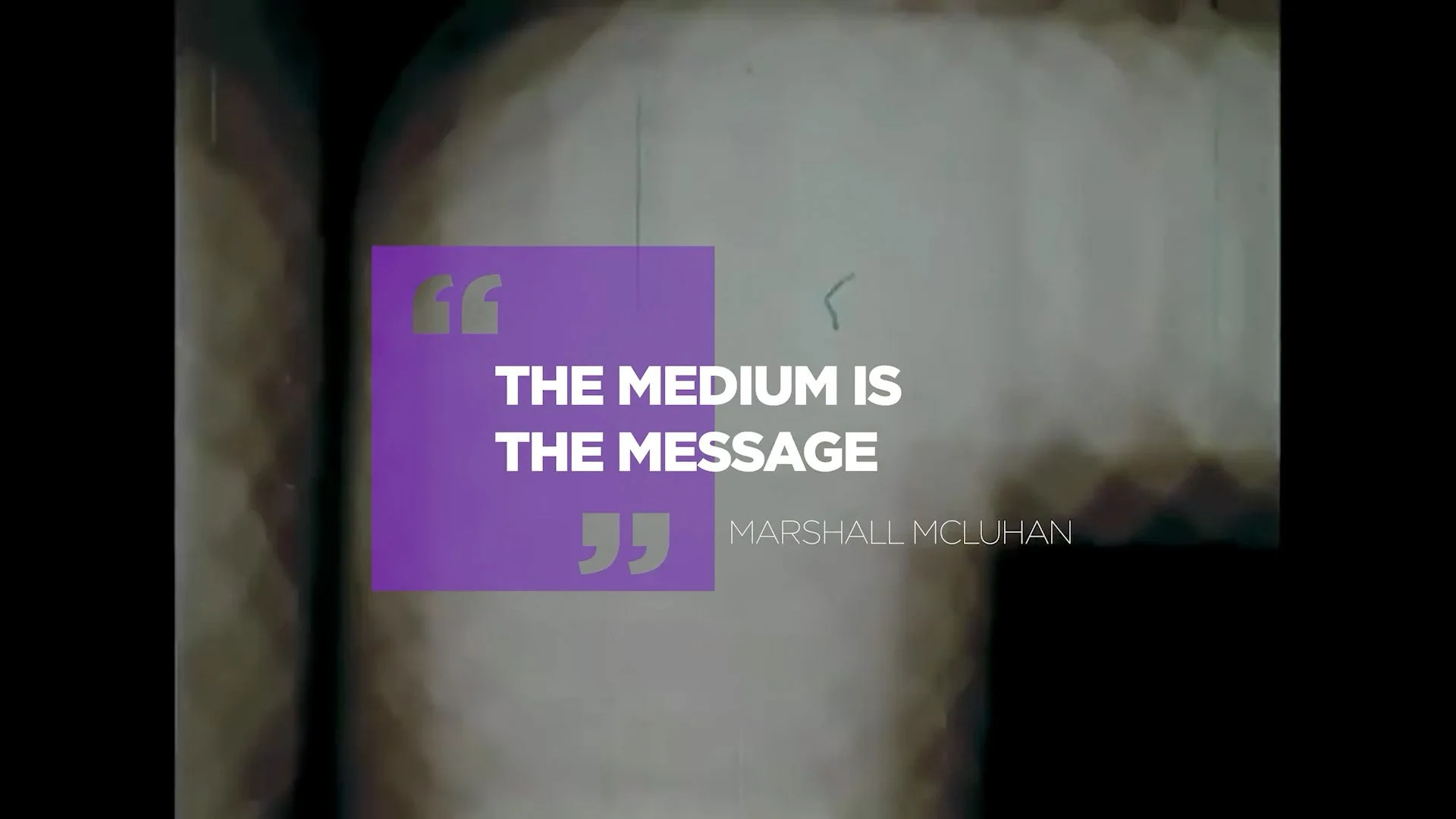
Most conversations around new technology focus on what’s possible.
This course focuses on something more useful:
What’s appropriate for the story
Students are pushed to evaluate tools through a storytelling lens:
What does this technology actually do well?
Where does it break down?
What does it demand from the filmmaker?
How does it affect staging, performance, and pacing?
Every technical decision is treated as a creative decision.

How the Course Works
The course runs as an intensive hybrid format combining:
Pre-recorded lecture modules
Weekly live discussions
Guest expert sessions
Applied assignments
Each week introduces a technological shift and examines it through:
Technical capabilities
What the tool can actually do
Historical context
How similar shifts have shaped filmmaking over time
Creative implications
How it changes the way a film is made to enhance narrative
In the Classroom
The structure mirrors real-world development.
Students move through a progression:
Explore multiple emerging technologies
Analyze strengths, limitations, and trade-offs
Select an approach for a project
Build a production plan and budget
Present a final concept or case study
They also:
Debate technologies from different production perspectives
Break down real-world workflows
Examine how decisions ripple across a project
For example:
How immersive stereoscopic capture changes blocking
How the real-time feedback of virtual production enhances creative collaboration
How AI tools reshape budgets and schedules in every phase of production
Media Theory & Perspective
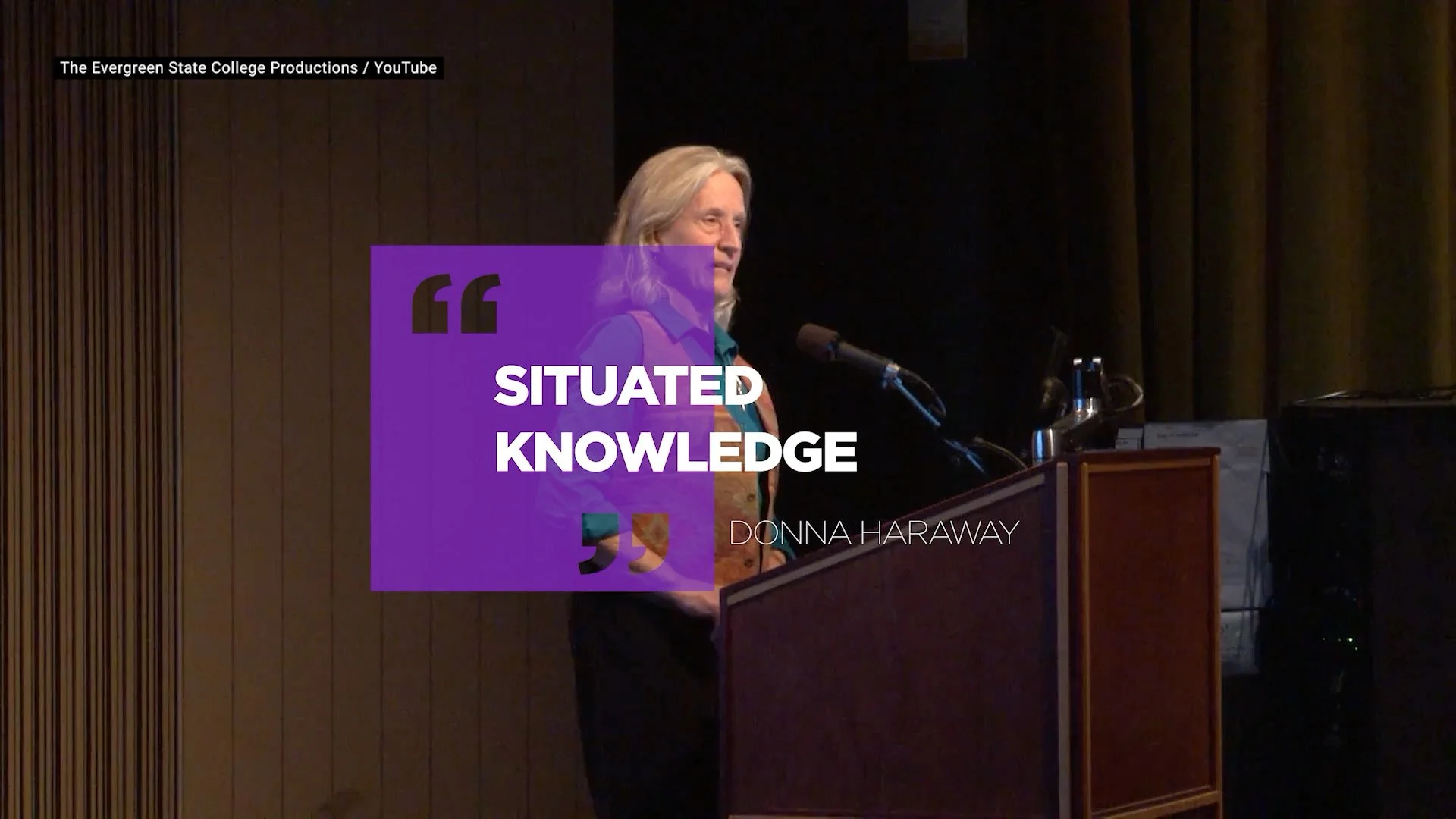
In addition to production, the course incorporates elements of media theory and philosophy.
Students explore:
The relationship between viewer and subject
Presence vs observation
How framing influences meaning
The role of the filmmaker when the audience is no longer outside the frame
These ideas ground technical decisions in a deeper understanding of what it means to represent reality through a medium.
Beyond the Classroom
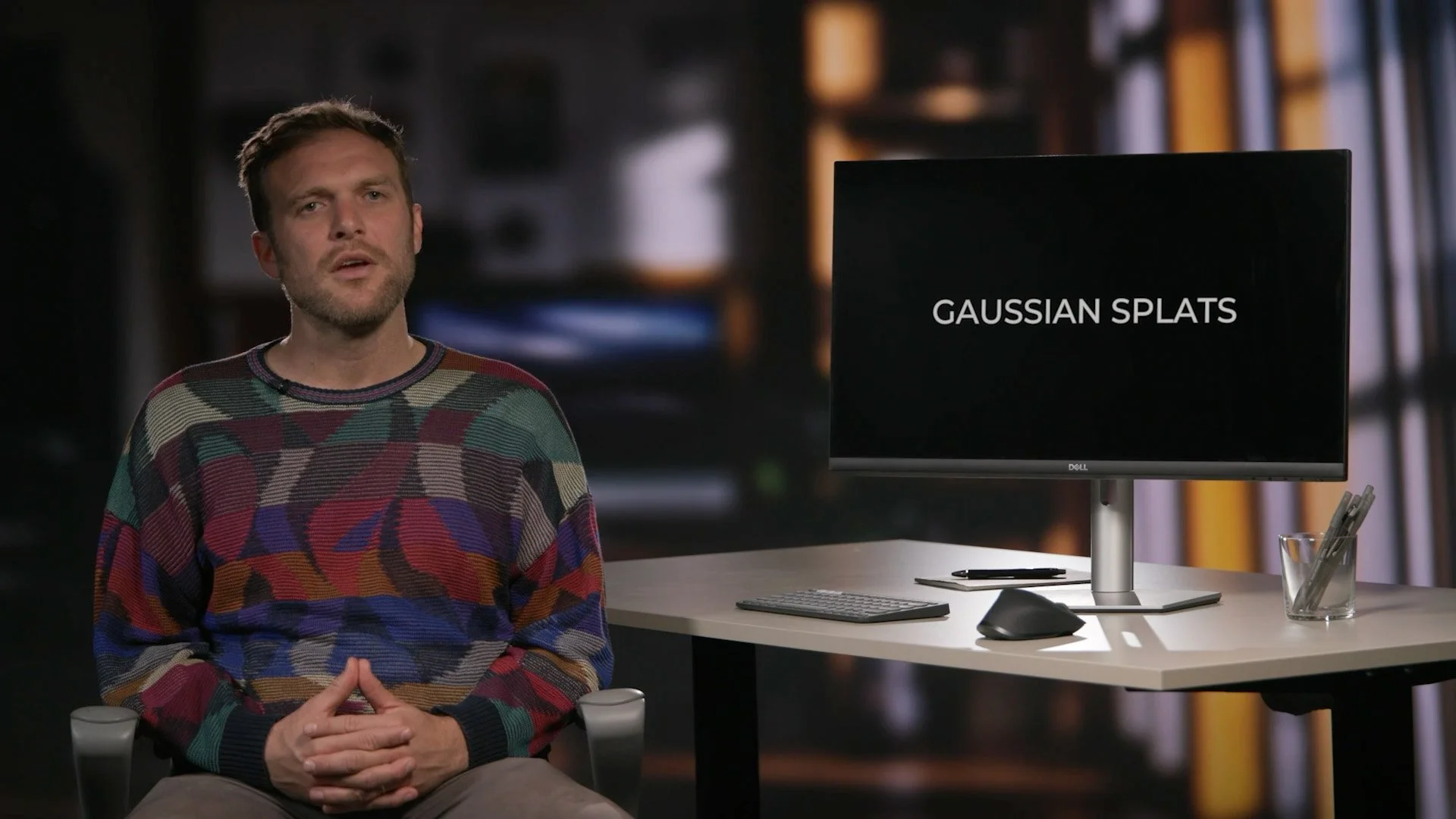
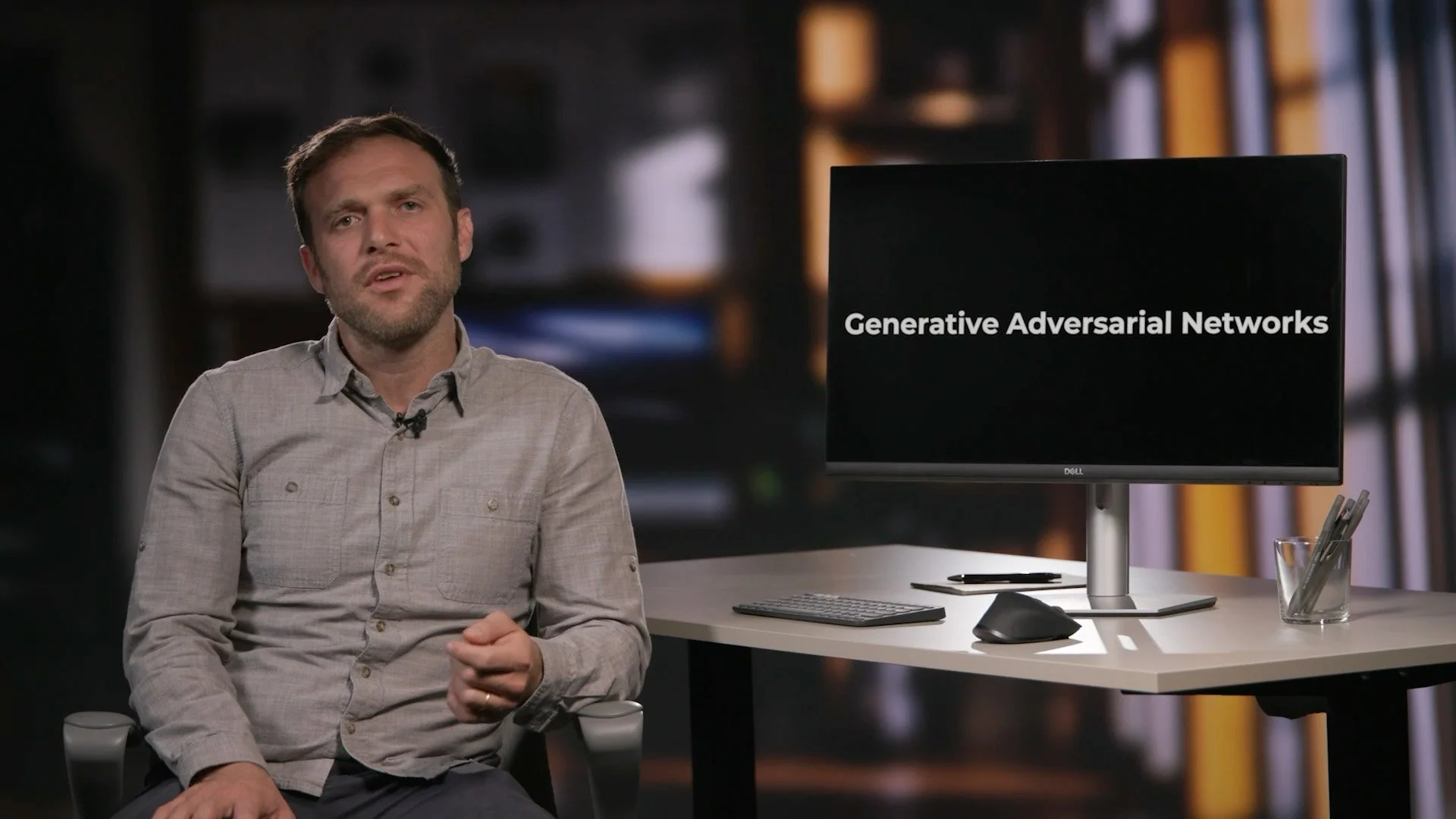
In addition to teaching, I’ve worked directly with students as a thesis advisor, helping them integrate emerging technologies into their graduate films.
This includes translating ideas from the course into practical production strategies, designing workflows that hold up under real constraints, and ensuring that technology choices ultimately serve the story.
Outcomes
By the end of the course, students develop:
A framework for evaluating new filmmaking technologies
The ability to scope and communicate emerging-format projects
Experience building a project from concept through execution strategy
A deeper understanding of how media technology continues to evolve
More importantly, they leave with the ability to make strong creative decisions in unfamiliar territory.
Guest Lecturers
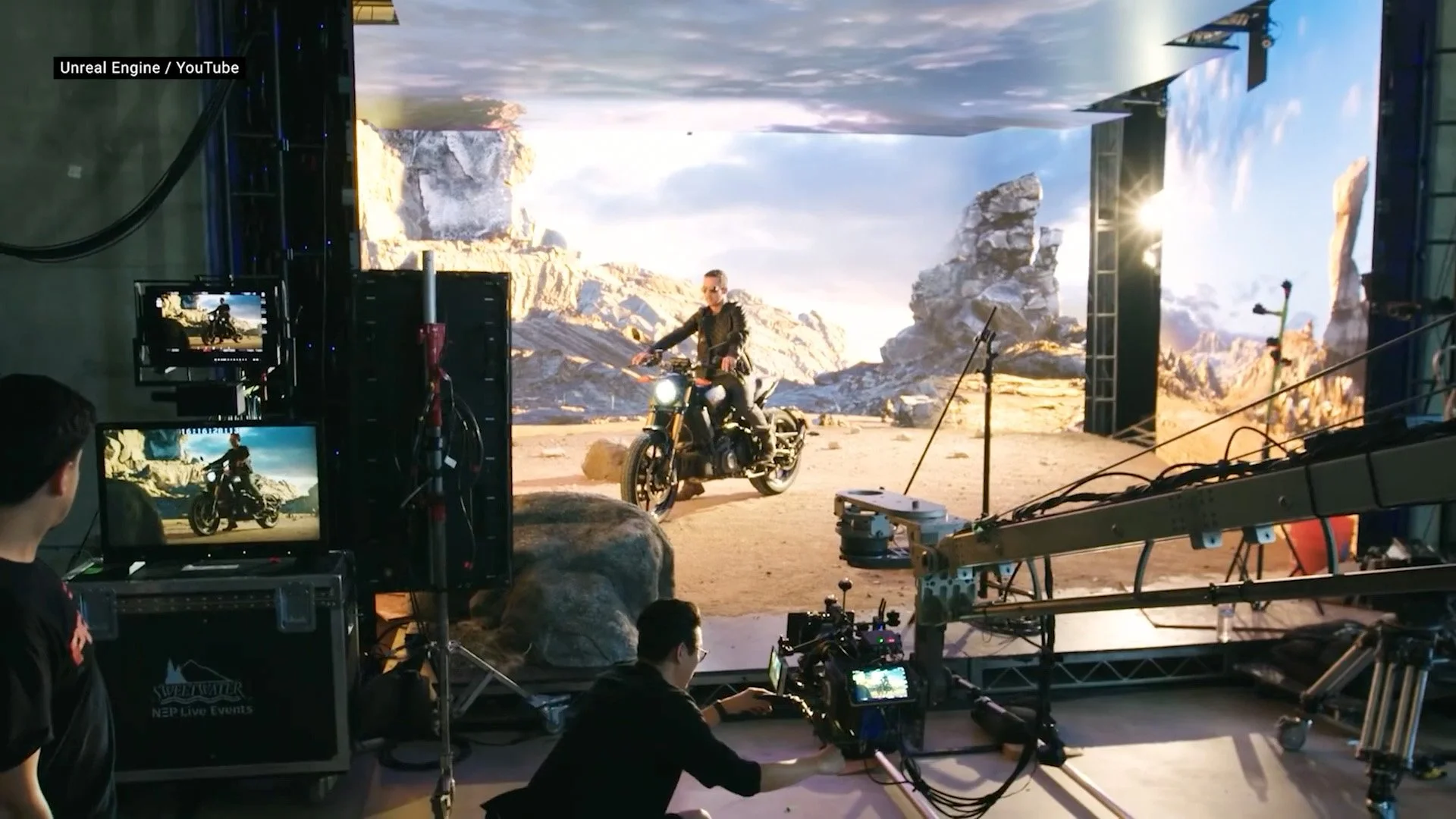
Guest speakers join from across the industry, offering insight into how these technologies are being used in real productions.
Sessions focus on how projects actually get made on set, in post, and in distribution.
Why It Matters
Filmmaking is undergoing a structural shift.
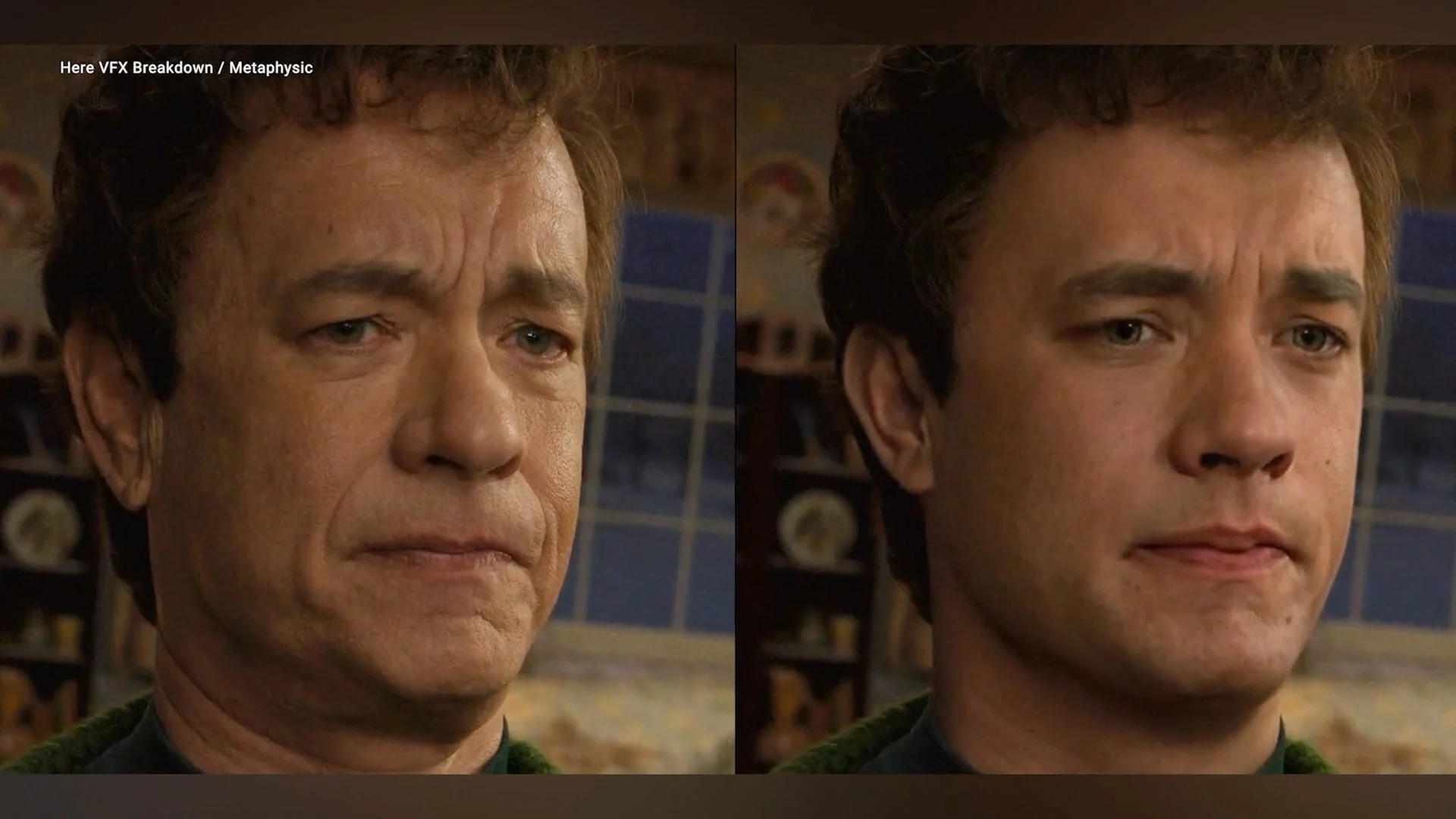
New technologies aren’t just for VFX, they’re changing how scripts are written, how scenes are staged, how performances are directed, and how audiences engage with a story.
Yet the fundamentals remain.
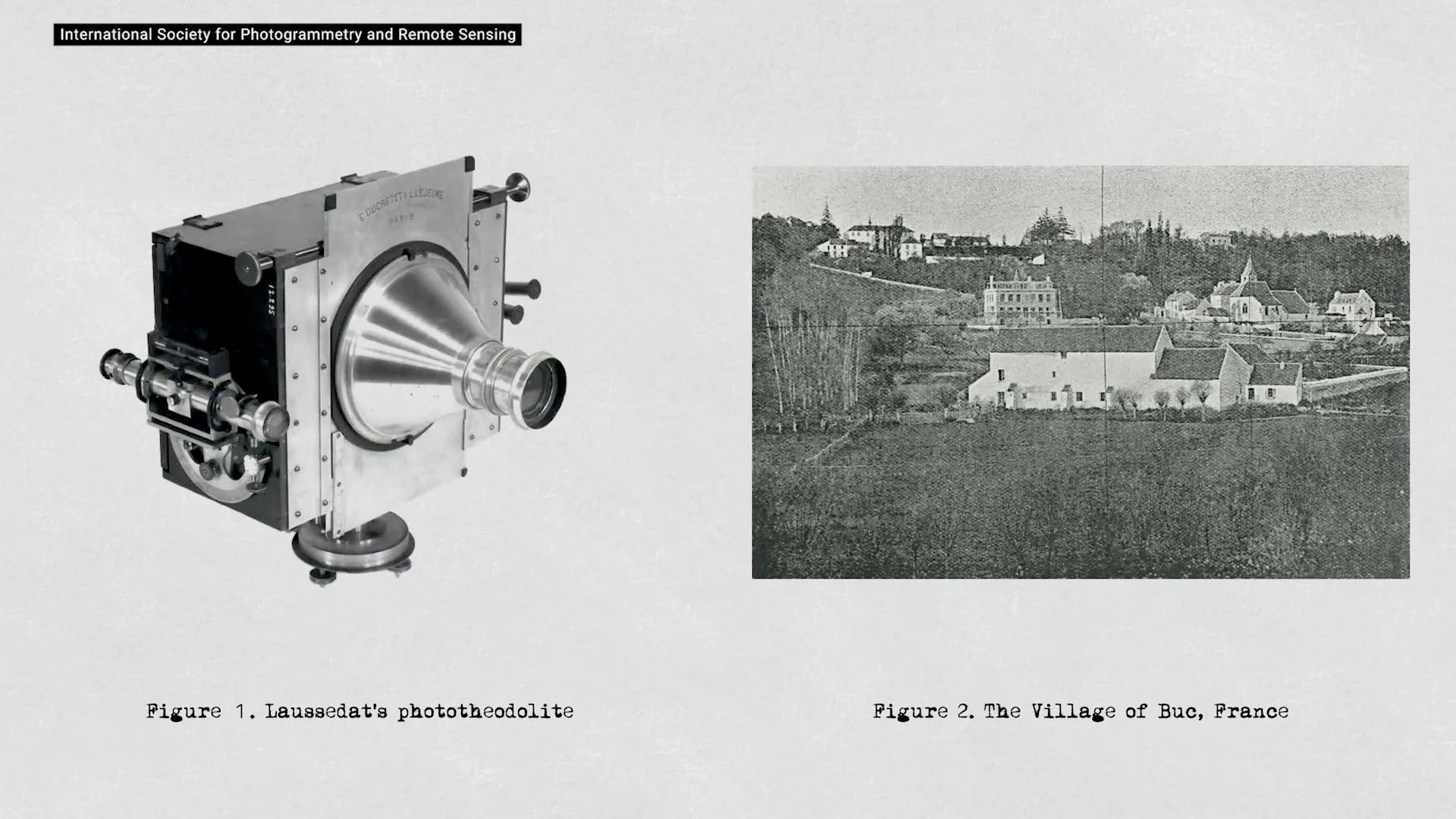
This course connects over 125 years of filmmaking language to the tools shaping what comes next.
Collaboration Opportunities
I collaborate with institutions and organizations on:
Guest lectures and speaking engagements
Curriculum development
Workshops on immersive filmmaking and AI workflows
Consulting on spatial storytelling and experiential media
In addition to NYU, I’ve been invited to speak at Columbia University, the School of Visual, and have served on the education committee of Video Consortium.
Start a Conversation
Interested in bringing this curriculum to your organization, inviting a guest lecture, or collaborating on a program?
For inquiries, collaborations, or speaking opportunities:
sam@sambaumel.com
You can also reach out via LinkedIn or schedule a time to connect: